
Direct vs. Commercial Real Estate Investing: What’s the Difference?

Real estate investing can be a great way to diversify your investment portfolio and increase your income. There are many different types of real estate investing, and it’s imperative to find the one that will work best for you and your needs. Two of these types are direct and commercial real estate investing. As with all types of investments, you’ll find pros and cons with both, as well as situations where one works better. What’s the difference between direct real estate investing and commercial real estate investing, and which is right for you?
What is Distressed Debt Investing?

When a company is in bankruptcy or close to filing for bankruptcy, any bonds bought from are considered distressed debt. While companies go through periods of adverse financial status, they typically recover and resume business. When they cannot recover from a severe economic crisis, they become distressed debt investments.
Passive Real Estate Investments

One of the more powerful ways to make your money work for you is to engage in passive real estate investing. However, many people don’t know what passive real estate investing is or how it works. Before diving into passive real estate investing, it’s essential to understand what it is, how it works, any advantages and disadvantages, and whether it’s the right investment for you.
What are Investment Assets?

Investment assets are items procured to produce future income or a future increase in value. These assets can either be tangible or intangible. Tangible assets are physical items such as equipment and property, while intangible assets are not physical items but things like patents, copyrights, trademarks, and other intellectual property. What types of investment assets can you buy and sell?
How To Get Started in Real Estate Investing
If you’re like most people, you might have a preconceived idea that you must be a billionaire to own property or that the only types of property that are available for investing are abandoned buildings. You would be wrong on both accounts. Getting your start in real estate investing doesn’t have to cost millions of dollars, and there are plenty of pieces of property available that are in decent if not excellent condition. Knowing how to start and where to look are just two of the steps you should take, and using this guide can help you with the rest.
Getting Started with Private Notes and Mortgages

Let us consider the way many homeowners, developers, and investors approach real estate as an investment. Individual investors, as well as institutional investors, have long realized that investing in real estate with leveraged funds is seriously advantageous since the owner benefits from appreciation on the borrowed funds as well as on their own input. It is this rationale that encourages savvy investors to borrow money to invest in more expensive property and/or to renovate and flip a property. Nothing new here.
How to Invest in Commercial Real Estate

Are you wondering how to get started in commercial real estate? Commercial real estate is a powerful avenue for investors who have the capital to make this type of investment. You can choose between long-term income from your property or a short-term return from major enhancements. If you’re interested in exploring the world of real estate investing, these steps will get you started.
Is the Proper Investment Asset Allocation Rule Outdated?
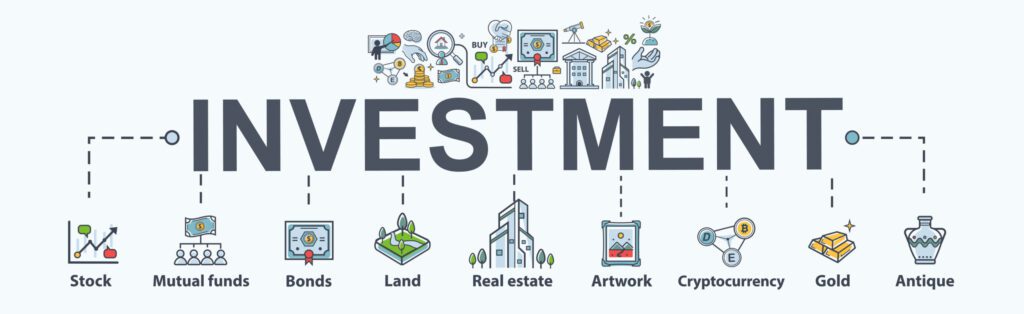
The standard rule – of a portfolio ratio of 60 percent stocks and 40 percent bonds – undoubtedly served investors well for a long time. The once golden rule was based on the concept that stocks carry the likelihood of substantial medium- to long-term gains whereas bonds provide a safety net of reliable, if lower, returns. However, for the last 20 years or so, ever since the dot-com boom of the late 90s, the investment world has realized that traditional advice is no longer fit for purpose. At a time when stocks are soaring and bonds are returning minimal values, investors understandably doubt the wisdom of a 40% bond holding.
How to Join a Real Estate Investment Group

The world of real estate offers the opportunity to invest some of your hard-earned money in a reasonably secure way. There are many options when it comes to investing in real estate. You could purchase land, flip a house, buy a rental property, or own a commercial property. However, if you do not have the time or the funds readily available to invest in this way, joining a real estate investment group might be an option for you.
Why Are Alternative Investments Gaining Popularity?

Alternative investments are gaining popularity with more investors adding them to their portfolio or increasing their existing allotment. There are several reasons why alternative investments are enjoying high levels of popularity right now: diversification; avoiding market volatility and the current high cost of equities; not wanting to be limited to publicly traded stocks; frustration with low returns on ‘safe’ investments; needing a hedge against inflation; increased accessibility; and personal interest or passion, as in the case of collectibles.