
What Is Wholesale Real Estate?

If you’re looking to expand your investment portfolio, wholesale real estate may be something you want to consider. Wholesale real estate is one way to gain exposure to the real estate market at a slightly lower risk than buying a home outright. It saves you from investing capital into renovations or repairs. Please note that this type of investment is not always successful or risk-free, so be sure to understand what wholesale real estate requires.
Commercial Real Estate Rebounds to Pre-Pandemic Levels and Higher – in Some Sectors

Continuing low interest rates, combined with an increasingly optimistic outlook regarding the pandemic, have fueled a rapid recovery in commercial real estate; in some sectors, sales are already outstripping pre-pandemic levels.
What are Investment Assets?

Investment assets are items procured to produce future income or a future increase in value. These assets can either be tangible or intangible. Tangible assets are physical items such as equipment and property, while intangible assets are not physical items but things like patents, copyrights, trademarks, and other intellectual property. What types of investment assets can you buy and sell?
How To Get Started in Real Estate Investing
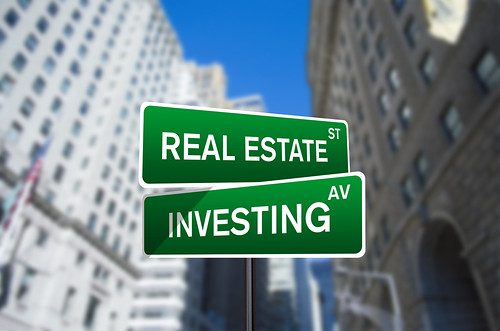
If you’re like most people, you might have a preconceived idea that you must be a billionaire to own property or that the only types of property that are available for investing are abandoned buildings. You would be wrong on both accounts. Getting your start in real estate investing doesn’t have to cost millions of dollars, and there are plenty of pieces of property available that are in decent if not excellent condition. Knowing how to start and where to look are just two of the steps you should take, and using this guide can help you with the rest.
How to Get a Commercial Real Estate Loan

Commercial real estate is another phrase for a property that produces income for business purposes. Some examples of this include hotels, rental units, shopping centers, or office buildings. You may be familiar with what it takes to get a traditional loan, but the process for obtaining a commercial real estate loan is much different. Requirements and terms are tailored toward this specific scenario, which means that a good background on the subject will help you navigate through the process better.
How to Invest in Commercial Real Estate

Are you wondering how to get started in commercial real estate? Commercial real estate is a powerful avenue for investors who have the capital to make this type of investment. You can choose between long-term income from your property or a short-term return from major enhancements. If you’re interested in exploring the world of real estate investing, these steps will get you started.
Is the Proper Investment Asset Allocation Rule Outdated?
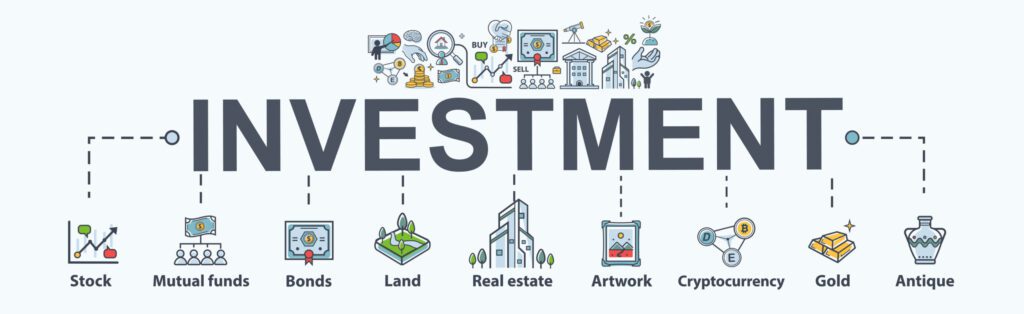
The standard rule – of a portfolio ratio of 60 percent stocks and 40 percent bonds – undoubtedly served investors well for a long time. The once golden rule was based on the concept that stocks carry the likelihood of substantial medium- to long-term gains whereas bonds provide a safety net of reliable, if lower, returns. However, for the last 20 years or so, ever since the dot-com boom of the late 90s, the investment world has realized that traditional advice is no longer fit for purpose. At a time when stocks are soaring and bonds are returning minimal values, investors understandably doubt the wisdom of a 40% bond holding.
Why is Commercial Real Estate Flourishing?

Contrary to expectations, it’s certainly not all doom and gloom for investors in commercial real estate. Understandably, three of the hardest hit areas in the pandemic have been the hospitality industry, retail, and office buildings, which still remain largely empty as remote working continues.
What Is Debt Investment?

There are two main options when it comes to investments, debt instruments, and equities. Equity is something you own, such as real estate or stock. A debt instrument represents a loan that you expect to receive a return of your principal along with interest.
Why Are Alternative Investments Gaining Popularity?

Alternative investments are gaining popularity with more investors adding them to their portfolio or increasing their existing allotment. There are several reasons why alternative investments are enjoying high levels of popularity right now: diversification; avoiding market volatility and the current high cost of equities; not wanting to be limited to publicly traded stocks; frustration with low returns on ‘safe’ investments; needing a hedge against inflation; increased accessibility; and personal interest or passion, as in the case of collectibles.