
How to Get a Loan for an Investment Property

Real estate has traditionally been a solid investment that provides income through appreciation and rent. Individual investors buy a property or pool their resources with a group of investors. Buying an investment property is different from buying a primary residence, with tighter requirements to qualify for a loan and several factors to consider before pursuing such an investment.
Real Estate Collateral Loans

Collateral, an asset with value used to secure a loan, improves borrowers’ chances of approval and allows more favorable interest rates by reducing the lender’s risk. Loan agreements have provisions for how collateral may be acquired and sold by the lender if the loan isn’t paid back, protecting the lender’s investment. Real estate is a common form of collateral for securing loans, offering more attractive rates than unsecured loans.
The Buy and Hold Real Estate Strategy
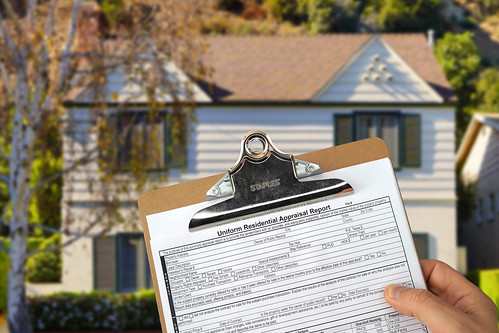
The booming real estate industry holds many potential investment options. All the investment strategies available make it all the more lucrative. One of the best strategies in the industry has been buy and hold real estate investing.
How To Create an Investment Portfolio
An investment portfolio is a collection of assets that you can potentially earn returns on. It’s best to maintain a well-diversified investment portfolio with a variety of products in it. There’s a lot to consider as you’re building an investment portfolio, so you’ll want to think carefully about this endeavor so you can develop a plan that’s uniquely suited to your goals.
Investment Demand is Driving Increased Interest in Alternative Assets

For some time now, alternative assets have been increasing their share of the investment market, gaining nine percent of market share between 2017 and 2019, driven then, as now, partly by investors seeking better yields. Hedge funds have remained buoyant and look poised to play an integral part in the economic recovery. Additionally, many sectors of commercial real estate are seeing increased activity, despite an uncertain and often turbulent year for commercial real estate in general; issues resulting from the pandemic are playing a significant part in this increase.
Single-Family Rental Investments: Are They Right for You?

Investments in single-family housing rentals may not be as visible as investments in larger multi-family housing communities, but single-family homes are attractive options investors should consider. Single-family residences may cost more upfront, but they could have less overhead and a higher payoff when eventually sold.
What Are Alternative Investments?

If you’re looking to invest money in areas outside of the traditional stock market, cash alternative investments are a perfect option. They can provide you with portfolio diversification and enhance your overall returns. As one of the fastest-growing fields in finance, alternative investments are expected to grow by 59% by 2023, reaching $14 trillion in assets according to Prequin. You might be wondering what these non-traditional investments are and how they can benefit you. Use this guide to get answers to those questions and others about alternative investments.
Loans for Investment Property: What You Need to Know

Real estate can be an incredibly profitable investment, especially in a housing market as hot as the one we’re in now. The rental market also appears to be turning the corner, making real estate investment even more attractive. But to invest in a property, you must be able to purchase it. Securing the appropriate amount of credit is the most critical step in the real estate investing process.
2021 Commercial Real Estate Trends & Future of Remote Work

The COVID-19 pandemic has been the catalyst that could completely change people’s work/life balance and the way we use, or even if we use, our office spaces.
How to Invest in Real Estate with Bad Credit

Investing in real estate can be a smart decision, especially if you’re also considering investing in stocks or bonds. Real estate investments give you more control, have lower risks, provide additional tax benefits, and offer protection against inflation when compared to stocks and bonds. But what happens if you have bad credit? According to Experian, 16% of Americans have very poor credit, which is defined as a credit score between 300 and 579. Luckily, there are a few ways you can secure funding for investment properties despite having bad credit.